
You know that feeling when you can’t quite hear properly? When you’re turning the TV up louder than usual, asking people to repeat themselves, or feeling like you’ve got cotton wool stuffed in your ears?
There’s a good chance it’s wax.
Ear wax is completely normal. Your ears make it on purpose — it’s there to protect the ear canal, trap dust and debris, and keep things healthy. But sometimes it builds up, hardens, or gets pushed deeper (usually by cotton buds, earphones, or hearing aids), and that’s when it starts causing problems.
If you’ve been told you need microsuction, or you’ve been googling it at 11pm trying to work out whether it’s going to hurt, this post is for you.
So what is microsuction?
Microsuction is a way of removing ear wax using a small, gentle suction device while the clinician looks into your ear through a microscope or magnifying loupe. Think of it like a tiny, very precise vacuum cleaner for your ear canal.
It’s the method used in most NHS ENT departments and is widely considered the safest and most effective way to remove ear wax. Unlike syringing (which uses water pressure and is no longer recommended by many clinicians), microsuction is dry, controlled, and lets the practitioner see exactly what they’re doing at all times.
There’s no water, no mess, and no guesswork.
What happens at the appointment?
Here’s what a typical appointment looks like, step by step.
First, your clinician will ask you some questions about your hearing, your symptoms, and your medical history. This matters — things like previous ear surgery, perforated eardrums, or certain medications can affect how the procedure is done. It’s quick, but it’s important.
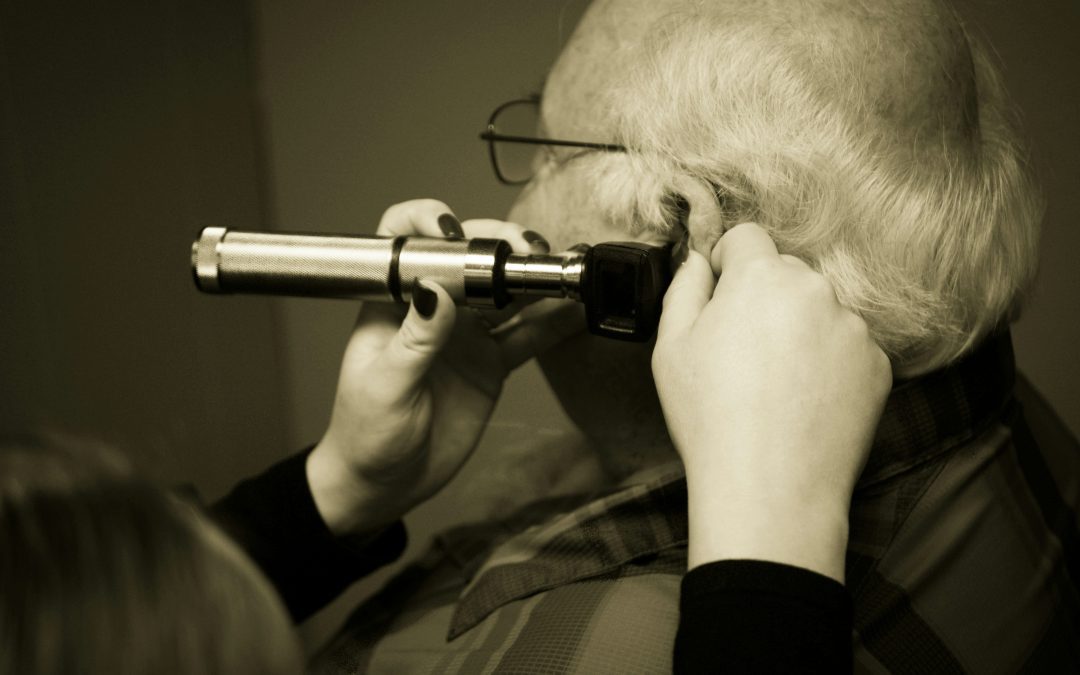
Next, they’ll look in your ears using an otoscope (a small handheld light with a magnifier) to check what’s going on. Sometimes both ears are blocked. Sometimes only one is. Occasionally there’s no wax at all and the problem is something else — in which case, a good clinician will tell you that honestly and point you in the right direction.
Then comes the microsuction itself. You’ll sit in a comfortable position, the clinician will gently insert the suction tip into your ear canal, and they’ll carefully remove the wax while watching through magnification. You’ll hear a buzzing or humming sound — that’s the suction. It’s not painful, though it can feel a bit unusual the first time.
The whole thing usually takes around 15 to 30 minutes for both ears.
Afterwards, your clinician will show you what your ear canal looks like now (yes, most people want to see) and give you some aftercare advice. Most people notice an immediate improvement in their hearing — and the look on their face when they can suddenly hear clearly again is honestly one of the best parts of the job.
Does it hurt?
This is the question everyone asks, and the honest answer is: no, not usually. Most people describe it as a strange sensation rather than a painful one. You’ll feel a gentle pulling or tickling, and the suction noise can be a bit loud because it’s right next to your eardrum, but actual pain is rare.
If you do feel any discomfort, tell your clinician. A good practitioner will stop, adjust, and make sure you’re comfortable before carrying on. You’re always in control.
If you have particularly hard or impacted wax, your clinician might suggest using olive oil drops for a few days beforehand to soften things up. This makes the procedure easier and more comfortable for you.
Is it safe?
Microsuction is one of the safest methods of ear wax removal available. Because the clinician can see exactly what they’re doing the whole time, the risk of damage to your ear canal or eardrum is very low.
That said, no medical procedure is completely without risk. Occasionally people experience temporary dizziness, minor discomfort, or slight soreness afterwards. These usually settle within a few hours. Serious complications are extremely rare, especially when the procedure is carried out by a trained and qualified clinician.
It’s worth checking who’s actually doing the procedure. Microsuction should be performed by someone with proper training and clinical qualifications — ideally a registered healthcare professional like a nurse, audiologist, or doctor. Don’t be afraid to ask about their qualifications. A good practitioner will be happy to tell you.
Why not just syringe?
Ear syringing (or irrigation) used to be the standard method in GP practices. It involves pushing water into the ear canal under pressure to flush the wax out. It works for some people, but it comes with higher risks — including ear infections, perforated eardrums, and dizziness — particularly if you have any underlying ear problems.
Many GP practices have stopped offering ear syringing altogether, which is partly why so many people are now looking for microsuction services. It’s also why the NHS ENT departments have used microsuction as their preferred method for years.
Microsuction is more precise, more controlled, and doesn’t involve putting water into an ear canal that might already be irritated or inflamed.
What about ear candles, cotton buds, and home remedies?
Let’s be straightforward here.
Ear candles don’t work. There’s no clinical evidence that they remove wax, and they carry a genuine risk of burns, dripping hot wax into your ear canal, and even house fires. They look relaxing on Instagram. They’re not a treatment.
Cotton buds push wax further in. Every clinician who does ear wax removal has seen the results of cotton bud use — compacted wax pushed right up against the eardrum. The general rule: don’t put anything smaller than your elbow in your ear.
Olive oil drops can help soften wax and are often recommended before a microsuction appointment, but on their own they won’t reliably clear a blockage. If your ears are blocked enough to affect your hearing, you’ll probably need professional removal.
When should you get your ears checked?
If you’re experiencing any of these, it might be time to book an appointment: reduced hearing or muffled sounds, a feeling of fullness or pressure in your ear, earache or discomfort, tinnitus (ringing or buzzing), itchiness in the ear canal, or dizziness.
You don’t need a GP referral for microsuction. You can book directly with a qualified practitioner.
And if you wear hearing aids, it’s worth getting your ears checked regularly. Hearing aids can push wax deeper into the canal over time, which affects both your hearing and the performance of your aids.
A note on choosing a practitioner
Not all ear wax removal services are the same. Here are a few things worth looking for when you’re choosing someone.
Check their qualifications. Are they a registered healthcare professional? Do they have specific training in ear care and microsuction? Look for proper clinical credentials, not just a weekend course certificate.
Ask about their infection control procedures. A good practitioner will use single-use specula, clean and calibrate their equipment regularly, and follow proper clinical hygiene protocols. If you’re visiting a mobile practitioner, they should be able to explain how they maintain standards outside of a fixed clinic setting.
Read their reviews. Real patient feedback tells you a lot. Look for comments about how the practitioner made people feel — especially nervous first-timers.
Check whether they carry appropriate insurance and are registered with a professional body. This isn’t just bureaucracy — it means there’s accountability and a complaints process if something goes wrong.
The bottom line
Blocked ears are one of those things that seem minor until they’re affecting your daily life. You can’t hear conversations properly. You feel off-balance. You’re self-conscious about asking people to repeat themselves for the third time.
Microsuction is quick, safe, and usually gives you an immediate result. If you’ve been putting it off because you’re not sure what to expect or you’re a bit nervous, hopefully this has helped.
Your ears are in good hands.